Fontainebleau: Napoleon’s Chateau Without the Versailles Crowds
Fontainebleau is the château for people who found Versailles a crowd-management exercise. Kings and emperors lived here continuously for seven centuries, the rooms hold more original furniture than any other château in France, and on an ordinary weekday you can stand alone in rooms Napoleon used. The train from Paris Gare de Lyon takes about 40 minutes. The one rule to know before anything else: the château closes every Tuesday, plus January 1, May 1, and December 25.
Hours, Tickets, and the Free Parts
From April through September the château opens 9:30 am to 6:00 pm, and from October through March 9:30 am to 5:00 pm, with last entry 45 minutes before closing and rooms shutting progressively over the final hour, so start by early afternoon. The ticket covers the Grands Appartements and the Napoleon I Museum; under-18s and EU residents under 26 enter free, and the first Sunday of each month is free for everyone except in July and August. The park and gardens cost nothing every day. Current prices and booking are on chateaudefontainebleau.fr. The Imperial Theatre, the Petits Appartements, and the Turkish boudoir open by guided tour only, booked separately, and the theatre is worth the extra planning.
What Makes It Different
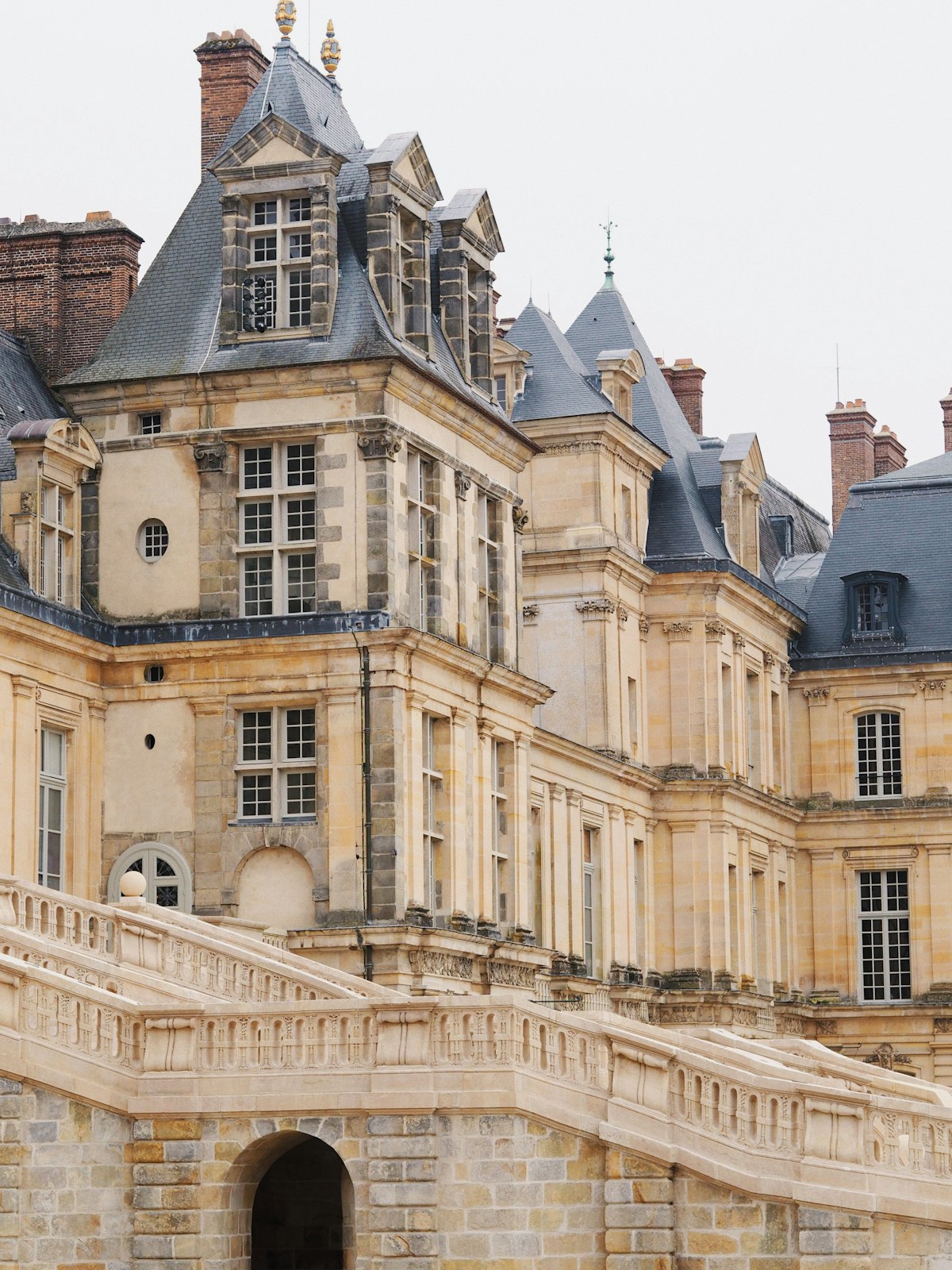
Versailles is one king’s statement; Fontainebleau is seven centuries of accumulation. The François I gallery brought the Italian Renaissance to France in the 1530s and still looks it. The throne room is the only Napoleonic throne room in France still in place, throne included. In the Cour d’Honneur, at the foot of the horseshoe staircase, Napoleon reviewed his Old Guard for the last time on April 20, 1814 before the ride to Elba, which is why the courtyard also goes by Cour des Adieux. Plan about two hours inside, more with the audioguide. Through 2026 the château runs a Marie-Antoinette program, including an exhibition of her stage costumes reimagined by Christian Lacroix from June 5 to November 2.
The Forest Around It
The château sits inside the forest of Fontainebleau, more than 20,000 hectares of sandstone boulders, pine, and oak that has been Paris’s wilderness since the painters of Barbizon set up easels in it. The boulders made the forest one of the world’s standard climbing areas, and marked trails leave from the edge of town. A morning in the state rooms and an afternoon on a forest loop makes Fontainebleau the rare day trip with both a palace and a hike in it.
Getting There and the Versailles Question
Take the Transilien R line from Paris Gare de Lyon to Fontainebleau-Avon, about 40 minutes, then bus line 1 to the château gates in ten more; a Navigo pass covers the whole trip. If you have one château day and want the biggest spectacle, Versailles still wins it. If you have two days, or you would trade gold leaf for rooms you can breathe in, Fontainebleau is the better morning. The full ranking sits in the top 30 day trips from Paris.
Frequently Asked Questions
Is Fontainebleau open every day?
No. The château closes every Tuesday, plus January 1, May 1, and December 25. Otherwise it opens 9:30 am to 6:00 pm April through September and 9:30 am to 5:00 pm October through March, last entry 45 minutes before closing.
How do you get to Fontainebleau from Paris?
Transilien R from Gare de Lyon to Fontainebleau-Avon in about 40 minutes, then bus 1 to the château. A Navigo pass covers both legs.
Is Fontainebleau free to visit?
The park and gardens are free every day. The château interior is ticketed, free for under-18s and EU residents under 26, and free for everyone on first Sundays except in July and August.
Fontainebleau or Versailles?
Versailles for scale and spectacle, Fontainebleau for furnished rooms, Napoleon, and space to move. Fontainebleau takes about two hours inside against most of a day at Versailles, and its Tuesday closure is the reverse of Versailles’s Monday one.
What is special about Fontainebleau?
Seven centuries of continuous royal and imperial residence, the most furnished château in France, the François I Renaissance gallery, the only Napoleonic throne room still in place, and the courtyard where Napoleon bade farewell to his Old Guard in 1814.