How to Visit Versailles from Paris: The Complete Guide
Versailles stands as the crown jewel of day trips from Paris, drawing over 10 million visitors annually to its golden gates. This sprawling palace complex, just 40 minutes from central Paris, offers far more than just Marie Antoinette’s famous “let them eat cake” legend. From the Hall of Mirrors where the Treaty of Versailles was signed to the vast gardens that stretch beyond the horizon, Versailles delivers an overwhelming dose of French royal grandeur that photos simply can’t capture.
But here’s what most travel guides won’t tell you: Versailles can be either the highlight of your Paris trip or a frustrating battle with crowds and confusion. The difference lies entirely in how you plan your visit. This guide cuts through the tourist trap nonsense to show you exactly how to experience Versailles like you actually know what you’re doing.
Getting to Versailles from Paris: Your Three Options
Option 1: RER C Train (The Smart Choice)
The RER C train remains the most popular way to reach Versailles, and for good reason. Trains depart from central Paris stations including Champ de Mars (near the Eiffel Tower), Invalides, and Pont de l’Alma every 15-20 minutes throughout the day. The journey takes 35-40 minutes and costs just €7.60 for a round-trip ticket.
Here’s the crucial detail most visitors miss: you want the “Versailles Château – Rive Gauche” station, not “Versailles-Chantiers” or “Versailles-Rive Droite.” Yes, there are three Versailles stations, and only Rive Gauche puts you a pleasant 10-minute walk from the palace gates. The other stations add an extra 20-25 minutes of walking through less scenic parts of town.
If you’re staying in central Paris, you’ll likely already have a Paris transport pass. The Paris Visite pass or Navigo weekly pass covers the journey to Versailles (it’s in Zone 4), potentially saving you the train fare.
Option 2: Tour Bus (The Convenient Choice)
Organized tours from Paris run €75-150 per person and include round-trip transportation, skip-the-line palace entry, and often a guide. While pricier than going independently, tours eliminate the guesswork and guarantee entry during peak season when tickets can sell out weeks in advance.
The major operators pick up from central Paris hotels or meeting points near major monuments. Most tours last 4-5 hours for palace-only visits or 8-9 hours if they include the Trianon palaces and Marie Antoinette’s estate.
Option 3: Driving (The Flexible Choice)
Renting a car for your Versailles day trip only makes sense if you’re combining it with other destinations like Giverny or want complete schedule freedom. The 45-minute drive from Paris follows the A13 highway, and parking costs €6-12 at the palace lots. Weekend traffic can double your travel time, especially on Sunday afternoons when Parisians return from their own château visits.
Option 4: A Private Transfer and Guide
Providers like LinkParis.com offer great Versailles tours that include a pick up and drop off at your hotel or apartment in central Paris. More expensive than other options, but worth it if your budget allows or if you are short on time.
When to Visit Versailles: Timing is Everything
The Daily Crowd Pattern
Versailles follows a predictable crowd pattern that hasn’t changed in years. Tour buses arrive between 9:30-10:30am, creating massive entry lines that peak around 11am. The palace stays packed until 2pm when tour groups break for lunch. Crowds thin somewhat after 3pm, but then you’re racing against closing time.
The golden hours for palace visits are either 9am sharp (be at the gates when they open) or after 3:30pm on days when the palace stays open until 6:30pm. Tuesday mornings see the lightest crowds since many Paris museums close Mondays, driving those tourists to Versailles instead.
Seasonal Considerations
April through October brings perfect garden weather but crushing crowds. The musical fountain shows run weekends from April to October, adding €10 to garden tickets but creating a magical atmosphere with baroque music and dancing waters.
November through March offers a completely different experience: minimal crowds, cozy palace interiors, and misty gardens that feel hauntingly beautiful. You’ll miss the fountain shows and some garden features close for maintenance, but you can actually contemplate the Hall of Mirrors in peace. The palace traditionally offers reduced tickets during winter months.
Skip Versailles entirely during European school holidays, particularly French vacations in late October, late December, February, and all of July-August. The first Sunday of each month from November to March offers free palace entry, which sounds appealing until you realize every budget traveler in Paris has the same idea.
What to See at Versailles: Beyond the Obvious
The Palace (2-3 hours)
Everyone rushes to the Hall of Mirrors, and yes, its 357 mirrors reflecting the gardens through arched windows create one of Europe’s most spectacular rooms. But don’t miss the King’s Grand Apartments, particularly the Hercules Salon with its massive ceiling painting that took three years to complete.
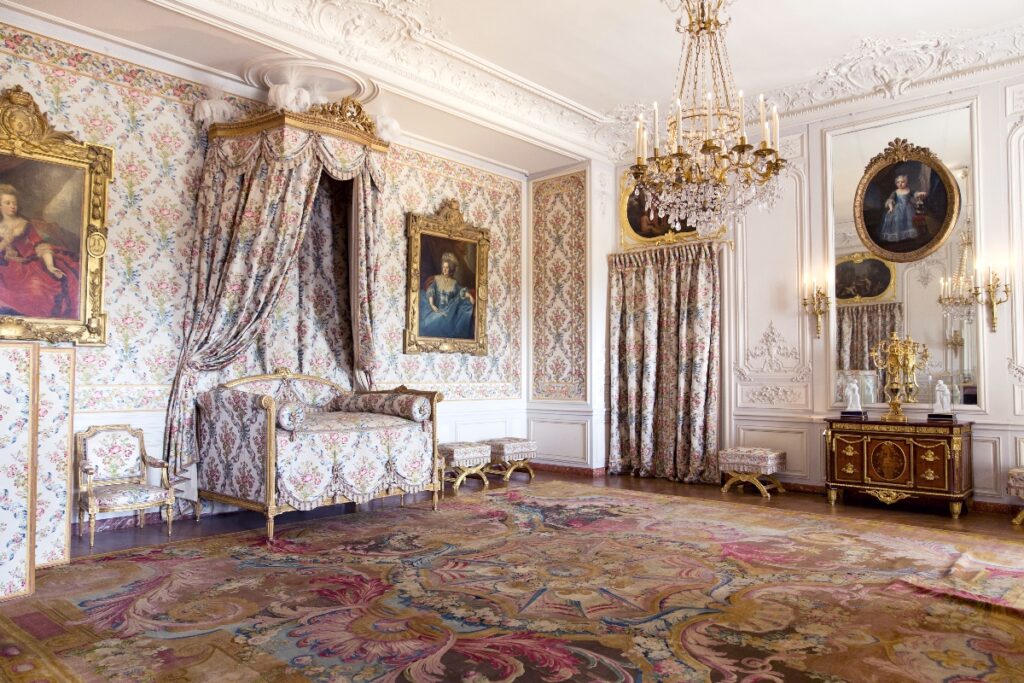
The Queen’s Apartments tell the real story of Versailles – not just the grandeur but the suffocating protocol that drove Marie Antoinette to create her own private refuges. Look for the secret door in the Queen’s Bedroom through which Marie Antoinette fled during the October 1789 invasion.
The Royal Chapel, often overlooked in the rush to other rooms, showcases where Louis XVI married Marie Antoinette and where the daily religious ceremonies reinforced the divine right of kings. The chapel’s architecture deliberately places the king’s box at the same level as the altar, symbolically equating royal and divine power.
The Gardens (2-4 hours)
The 2,000-acre gardens deserve their own full day, but most visitors allow just an hour. Huge mistake. The gardens ARE Versailles – Louis XIV spent more time and money on them than the palace itself.
Start at the Latona Fountain directly behind the palace, then walk the Royal Perspective to the Grand Canal. This half-mile vista was designed to align with the sunset on August 25th, the feast of Saint Louis, Louis XIV’s patron saint.
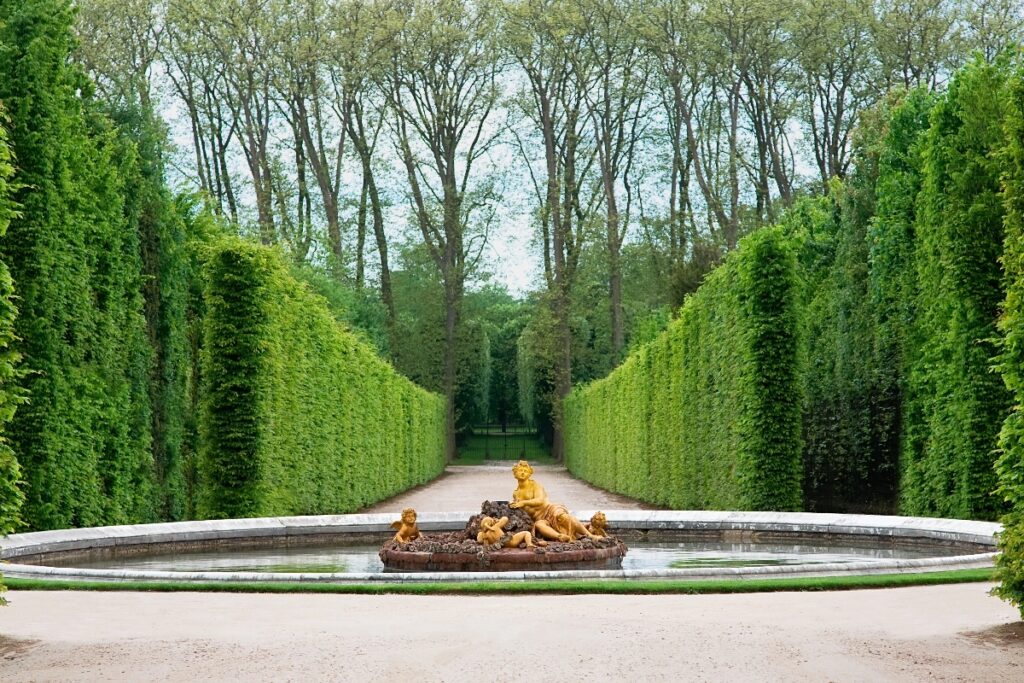
Rent a bike (€8/hour at the Grand Canal) to properly explore the outer gardens. You’ll reach Marie Antoinette’s estate in 15 minutes versus a 40-minute walk. The bikes also let you discover the hidden groves that tour groups never reach, like the Colonnade grove where royal concerts were held or the Enceladus Grove with its dramatic giant sculpture.
Marie Antoinette’s Estate (1-2 hours)
The Petit Trianon and Queen’s Hamlet require a separate ticket or the Passport, but they’re essential for understanding Versailles. This is where Marie Antoinette played at being a shepherdess, creating an idealized farm where she could escape court formality.
The Hamlet appears almost comically rustic after the palace’s gold-leaf everything, but that was precisely the point. These thatched cottages where the queen played peasant while actual peasants starved became powerful revolutionary symbols. The restored buildings now house exhibitions on daily life at Versailles.
The Trianon Palaces (1-2 hours)
The Grand Trianon, Louis XIV’s pink marble retreat, and the Petit Trianon offer a more intimate view of royal life. Napoleon later used the Grand Trianon, and you can see his additions alongside the original Louis XIV décor. These palaces close earlier than the main palace, so visit them first if they’re a priority.
Versailles Tickets: What You Actually Need
Ticket Options Decoded
The basic Palace ticket (€19.50) covers just the main palace and costs €21 if purchased on-site. The Palace + Gardens ticket (€28.50) includes the gardens on Musical Fountain show days – otherwise, gardens are free.
The Passport (€28.50, or €30 on fountain days) is the only ticket that makes sense for first-time visitors. It includes everything: palace, gardens, Trianon palaces, Marie Antoinette’s estate, and temporary exhibitions. Buy it online at least a day in advance to skip ticket lines.
The €21 “Skip the Line” tickets sold by third parties are misleading. All pre-purchased tickets let you skip the ticket line. You still wait in the security line, which is often longer. The only true line-skip comes with guided tours that use the group entrance.
Free Entry Situations
EU residents under 26 enter free but still need a timed entry reservation. The palace is free for everyone on the first Sunday of low season months (November-March), but expect massive crowds. Paris Museum Pass holders get free entry but must still reserve a time slot online.
Essential Tips Most Guides Miss
Start your visit at the Trianon palaces if you arrive before 10am. They’re a 20-minute walk from the main palace, but you’ll have them practically to yourself while crowds fight to enter the main palace. Return to the main palace after 2pm when tour groups have left.
Download the free Palace of Versailles app before arriving. It includes excellent audio guides that rival the €5 audioguide rental, plus offline maps essential when your phone can’t find signal in the gardens.
Bring a picnic lunch. The palace restaurants are overpriced tourist traps, but the gardens offer hundreds of scenic picnic spots. There’s a Monoprix supermarket near the Versailles train station where locals shop. Grab supplies there for a quarter of palace restaurant prices.
Tuesday and Thursday mornings offer special “behind closed doors” tours of normally restricted areas like the Royal Opera. These €16 extra tours book out weeks in advance but provide access to rooms the general public never sees.
The palace offers free luggage storage, but the line often stretches 30+ minutes. Store bags at the Versailles train station lockers instead (€5-9) if you’re traveling with luggage from your Paris hotel.
Where to Eat Near Versailles
Inside the Palace Grounds
La Petite Venise, hidden in the gardens near the Grand Canal, serves decent traditional French cuisine in a gorgeous setting. Expect to pay €25-35 for a main course, but you’re paying for location, not culinary innovation. Their €19 prix fixe menu offers better value.
The Grand Café d’Orléans in the palace serves quick cafeteria food. It’s overpriced but convenient if you need a quick break between palace and gardens. The €15 sandwiches are actually decent.
In Versailles Town
La Table du 11, a five-minute walk from the palace, is where Versailles locals actually eat. This modern bistro serves excellent €14-18 lunch formules that change daily. Book ahead – they only have 30 seats.
The Versailles market (Place du Marché) runs Tuesday, Friday, and Sunday mornings. The surrounding streets host dozens of cafés and restaurants catering to locals rather than tourists. Try Le Bistrot du 11 for traditional French cuisine or Tutto Gusto for excellent Italian.
Common Versailles Mistakes to Avoid
Arriving without pre-purchased tickets ranks as the biggest mistake. During peak season, same-day tickets often sell out by 11am, leaving you with a wasted trip. Even in low season, you’ll waste an hour in ticket lines.
Trying to see everything in one day leads to Versailles burnout. The palace, gardens, and Trianon estates could each fill a full day. Pick two of the three and save the rest for a return visit.
Following the suggested route through the palace creates unnecessary crowding. The audio guide suggests a logical path, but so does everyone else’s. Enter through the less-crowded Queen’s Apartments entrance when lines are long at the main entrance.
Wearing uncomfortable shoes ruins the experience. You’ll walk 5-7 miles minimum, mostly on gravel paths and marble floors. Those cute Parisian flats you bought won’t cut it here.
Making Versailles Part of Your Paris Trip
Versailles works best on your third or fourth day in Paris, after you’ve seen the main Paris attractions but before museum fatigue sets in. Don’t visit on Monday when the palace is closed, or Sunday unless you enjoy crowds.
Consider combining Versailles with nearby Sèvres Ceramics Museum or Saint-Germain-en-Laye if you have a full day. Both sit on the same RER C line, making multi-stop days easy. The Château de Malmaison, Napoleon and Josephine’s home, makes another excellent pairing just 20 minutes away by car.
If you’re choosing between Versailles and Fontainebleau, pick Versailles for the full royal spectacle or Fontainebleau for a more intimate, less crowded palace experience. Versailles is France showing off; Fontainebleau is where French royalty actually lived comfortably.
The Bottom Line on Versailles
Versailles delivers exactly what it promises: overwhelming royal grandeur that defined European palace architecture for centuries. Yes, it’s touristy. Yes, it’s crowded. Yes, it’s expensive. But standing in the Hall of Mirrors or wandering the endless gardens, you understand why revolutionaries saw this place as the symbol of everything wrong with absolute monarchy.
Visit Versailles not because you’re supposed to, but because nowhere else on Earth concentrates such artistic ambition, political power, and historical significance into one magnificent, over-the-top complex. Just go early, buy tickets in advance, wear comfortable shoes, and give yourself permission to skip whatever doesn’t interest you.
The palace that bankrupted France building it can easily bankrupt your day if you’re not careful. But with proper planning, Versailles becomes what Louis XIV intended: an unforgettable display of absolute power that still manages to drop jaws 300 years later.
If you would rather hand off the logistics, or pair the palace with Monet’s gardens, the LinkParis.com Versailles and Giverny day trip covers both in one vehicle day with hotel pickup and admissions included; our Giverny page covers that half of the day.
Frequently Asked Questions
Is Versailles open every day?
No. The palace closes on Mondays year-round; the gardens stay open daily. Tuesday mornings and summer weekends run the heaviest crowds, so aim for Wednesday through Friday.
How do you get to Versailles from Paris?
Take the RER C to Versailles Chateau Rive Gauche, about 40 minutes from central Paris, then walk ten minutes to the palace. Buy a return ticket in Paris to skip the station lines coming back.
How long does Versailles take?
A half day covers the palace and the main gardens with a timed ticket. Add the Trianon estate and Marie-Antoinette’s hamlet and it becomes a full day with real walking; the estate runs far larger than the palace.